For young adults aged 17–21
Failure to launch: easier to shift when caught early
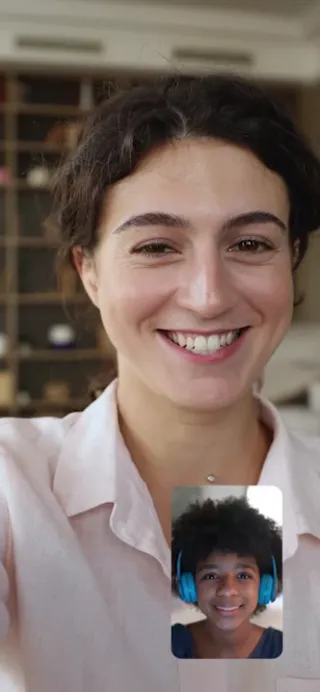
Graduated (or nearly), capable, and stuck: sleeping late, gaming long, deciding nothing. Coachbit's live video coaching each weekday helps rebuild structure and momentum before the pattern becomes more entrenched.

What "failure to launch" means
"Failure to launch" describes a young adult who stalls at the step into independent life (school, work, plans) despite being capable of it. It isn't a medical diagnosis; it's a momentum pattern: no structure, no daily wins, shrinking confidence. Caught early (17–21), it responds to the same thing that builds any momentum: small daily commitments, kept, with support.
01 · What the stall looks like
Capable, and parked
Nobody plans to stall. It accumulates, one structureless week at a time:
The gap year with no gap plan
“Figuring things out” with nothing on the calendar.
Enrolled but drifting
Technically in college, practically in bed.
Applications never sent
The browser tab is open; it's been open for a month.
Nocturnal
Days and nights swapped; the family sees them at dinner, maybe.
02 · Why lectures make it worse
Momentum is rebuilt daily, not demanded
Every family meeting about "the plan" raises the stakes, and raised stakes make starting harder. Coachbit works the opposite way. Here's a real first month, as a momentum log:
Up by 10am. That's it. That's the whole commitment.
Gym with the coach's plan: 20 minutes, done.
Resume draft: one ugly page exists now.
Two applications drafted in a live 1-on-1 session.
Interview booked. Told the coach before mom.
Application sent. Momentum isn't the plan anymore; it's the habit.
A coach (not a parent) meets the student by live video on their phone every weekday and sets one commitment small enough to keep today. Kept commitments stack into structure; structure into confidence; confidence into applications actually sent. App tools keep the direction and next step visible throughout the day. Parents get weekly reports and get to stop being the enforcer. Often the biggest relief in the house.
An honest note on age
Coachbit coaches students and young adults aged 11–21. If you're reading this about a 27-year-old, we're not the right fit; look for adult failure-to-launch programs. If it's a 17-to-21-year-old who's stalling, this is exactly the window where a daily-habit intervention is cheapest and works fastest.
04 · Coaching, therapy, or both?
When coaching is not the first step
Coaching is not therapy and Coachbit doesn't diagnose or provide medical care of any kind. A stall like this sometimes has depression or anxiety underneath it. If that may be the case, a licensed clinician is the right first step, and coaching should follow their lead. Many families run both: the clinician handles care, the coach handles the daily structure. Coaching vs therapy, in full →

05 · What changes
Launch is a habit stack
- Week 1–2: the live video session each weekday becomes routine; mornings come back first.
- Month 1: a resume exists, a plan exists, and the family meetings about The Plan stop.
- Month 2–3: applications go out, and momentum stops needing supervision.
10,000 +
families coached
4.8 /5
on Trustpilot
340 +
Trustpilot reviews
“My son was barely passing last year and now has As & Bs. This program is making a huge difference because it is every day for short periods of time.”
“No more missing assignments, all grades in the 90s, and getting to school is super easy with the new morning routine.”
“My son has transformed from a child who was scattered and overwhelmed to the first one ready to get out the door in the morning.”
“Out the blue, my daughter told me, I love coach Latia and it is working, I feel more organized!”
“[…] She motivated my daughter to stay more organized and practice strategies to stay on top of her work. […]”
“I wake up and find the kids up before me, clean bedrooms. […] they have a sense of ownership rather than because they were asked to.”
“Coachbit has been a game-changer for our son with ADHD. […] He's more organized, motivated, and confident. […]”
“[…] his grades improved from B's and C's to almost all A's! […] he has grown in to a calm, fairly confident college student with a plan to tackle life's daily challenges. […]”
FAQ
Questions parents ask
What is failure to launch syndrome?
An informal (non-diagnostic) name for a young adult stalling at the transition to independence: capable, but without momentum on school, work or plans. The pattern is driven by missing structure and daily wins, and it compounds the longer it runs.
Is failure to launch a real diagnosis?
No, it's a description, not a medical condition. But the underlying pieces (structure, executive skills, confidence, sometimes mood) are real and addressable. If depression or anxiety may be involved, start with a licensed clinician.
How is coaching different from a failure-to-launch program?
Residential and clinical programs provide a different level of support. Coachbit offers remote, live video coaching on the student's phone every weekday for 17-to-21-year-olds who need practical structure, planning and accountability. Clinical needs should be led by licensed professionals.
What can parents do about a young adult with no motivation?
Two things reliably help: lower the stakes (fewer showdowns about The Plan) and shrink the steps (one kept commitment a day). A coach supplies both, and removes the parent from the enforcer role that fuels the standoff.
What ages does Coachbit work with?
11–21. For failure-to-launch patterns in adults older than 21, an adult-focused program is the right referral.
How much does it cost?
Take the 2-minute quiz and we'll show plans for the situation. Many qualifying families use HSA/FSA funds, subject to their plan administrator. Coaching is covered by a 30-day money-back guarantee.
More from Coachbit
Momentum is a habit. Start rebuilding it now.
Take the 2-minute quiz, or book a call with our team. HSA/FSA may be available for qualifying accounts; 30-day money-back guarantee.